Rhythms You Can Wear

Today we’re diving into wearable-guided time blocking for energy and well-being, where real biometric signals help shape a daily flow that protects focus, mood, and recovery. Using readiness, heart rate variability, sleep depth, and subtle shifts in temperature, you can schedule deep work when your body quietly says yes, and rest when it whispers not now. Expect practical examples, compassionate guardrails, and small experiments you can try this week. Share your questions, subscribe for updates, and help refine this living practice together.

The Science Behind Better Timing

Great days rarely happen by accident. Ultradian cycles, chronotypes, and autonomic balance influence when your brain wants intensity and when it needs replenishment. Wearables translate these invisible patterns into helpful cues, revealing readiness for cognitive load, susceptibility to stress, and ideal windows for creativity. Aligning work with these signals lowers friction, shortens ramp-up time, and reduces recovery debt. Rather than doing more, you learn to do important work at the right moment, preserving enthusiasm for what actually matters.
Key indicators like heart rate variability, resting heart rate, sleep efficiency, and temperature deviations create a daily snapshot of your nervous system. When HRV trends upward and resting heart rate calms, cognitive flexibility and resilience often follow. Downward HRV with elevated resting heart rate can warn of fatigue, dehydration, or brewing illness. Interpreted gently, these patterns help you choose between deep analysis, collaborative tasks, logistical admin, or replenishing recovery, replacing hunches with data-informed kindness to your future self.
A practical mapping turns numbers into calendar reality. High readiness becomes a protected focus block; moderate metrics suggest collaborative sessions or routine follow-ups; low energy invites gentler tasks, learning, or active rest. Instead of squeezing important work into random gaps, you reserve it for neurochemically supportive windows. This approach compounds benefits: effort feels lighter, procrastination loses grip, and evenings require less willpower to unwind. Your calendar becomes a friendly instrument, tuned to your personal physiological score each day.
Maya, a product strategist, felt constantly behind. After two weeks tracking HRV and sleep depth, she discovered her highest-quality thinking emerged mid-morning on days following deep, consolidated sleep. She protected one ninety-minute block then, pushing meetings to early afternoon. Within a month, her rework dropped noticeably, she shipped earlier drafts with fewer revisions, and evenings felt humane again. Nothing mystical changed—just a quiet reallocation of effort to moments when her nervous system was ready to support excellence without unnecessary struggle.

Get Your Devices and Data Ready

Start With a Baseline Week

Treat your first seven to ten days as observation, not optimization. Keep your schedule typical and resist overhauls. Note sleep duration, bedtime variability, morning alertness, and perceived stress, alongside HRV, resting heart rate, and temperature deviations. Capture short reflections each evening about energy dips and productive highlights. Baselines expose your personal signature: when thinking shines, when social energy peaks, and which habits stealthily tax recovery. With that clarity, adjustments feel obvious, gentle, and proportionate, instead of guessy, dramatic, or unsustainable.

Choose a Minimal, Actionable Dashboard

More graphs rarely mean better decisions. Pick three to five indicators that consistently change your behavior. Common choices: overall readiness, HRV trend, sleep efficiency, and activity strain. Display them in a single view you actually check before planning. Add a simple note asking, What deserves protection today? Tie each metric to a concrete action—protect deep work, lighten intensity, prioritize recovery—so numbers immediately spawn calendar changes. When dashboards prompt clear moves, your day transforms from reactive juggling into calm, intentional momentum.

Safeguard Privacy and Boundaries

Health data is intimate. Use strong passcodes, disable unnecessary sharing, and review app permissions quarterly. If integrating with work tools, share only availability blocks, never raw metrics. Communicate expectations with colleagues: status reflects focus or collaboration windows, not medical information. Set device notification hours that support rest. If your organization experiments with wellness programs, opt-in carefully and retain control. Guarding boundaries builds psychological safety, allowing you to experiment freely and benefit from insights without exposing more than you consciously choose to disclose.

Design Blocks That Match Your Energy

Create a rhythm that respects how your mind actually works. Anchor one or two deep-focus blocks in your daily sweet spot, then stack lighter tasks near natural dips. Cluster meetings into a predictable corridor to avoid swiss-cheese calendars. Pair strenuous workouts with strong recovery signals and early bedtimes. Sprinkle micro-rests to prevent overreaching. This choreography does not shrink ambition; it preserves it, channeling discipline where biology cooperates. Over time, friction falls, creative risk rises, and high-quality decisions feel surprisingly repeatable.

Protect High-Focus Windows

When metrics and experience agree you are sharp, defend ninety minutes like a treasured appointment. Silence nonessential notifications, pre-open reference materials, and unplug calendar chat. Begin with a three-minute breath or short walk to settle attention. End with five minutes of notes, next-step markers, and a ceremonial save. The point is not asceticism; it’s placing your finest attention where it will compound. Protecting even one such window most days can outperform heroic, unfocused marathons that quietly drain morale.

Place Meetings Where They Hurt Least

Meetings can be valuable, yet mistimed they bulldoze creative momentum. Batch them into mid or late afternoon when cognitive intensity naturally dips, preserving prime hours for deep work. Use clear agendas, time-boxed decisions, and pre-reads to shrink drift. Consider walking one-on-ones when recovery suggests light movement. If readiness is low, lean toward asynchronous updates. By respecting collective energy, your team spends fewer hours meeting and gains more durable outcomes, with less resentment about calendars that endlessly interrupt meaningful, flow-generating concentration.

Use Readiness as a Dimmer, Not a Switch

Treat daily readiness like a volume knob. High readings invite bolder focus and short, intense sprints; medium suggests steady, collaborative throughput; low calls for maintenance, reflection, or gentle practice. Most days sit between extremes, so add nuance: shorten deep work, change context, or build scaffolds like outlines. Dimmer thinking preserves autonomy while honoring constraints. Over time, you’ll recognize patterns—Mondays run hot after restful weekends, travel compresses sleep—and preemptively tune effort, avoiding needless depletion without sacrificing meaningful progress on commitments you care about.

Respond to Spikes Without Spirals

Wearables sometimes alert at inconvenient moments. When strain spikes or stress climbs, pause with a single box breath and decide the smallest helpful shift: stand, sip water, delegate a detail, or step outside for sunlight. Avoid doom loops of overanalysis. If a meeting overruns, reschedule a later block instead of cramming. Keep a prepared list of low-cognitive tasks to salvage momentum. This gentle triage prevents all-or-nothing days, converting disruptions into recoverable detours that still land you close to the intended outcome.

Account for Cycles and Context

Energy patterns change with seasons, menstrual cycles, time zones, deadlines, and family needs. Use tags in your journal to track these contexts alongside metrics. Notice when luteal phases favor planning over pitching, or when winter mornings require brighter light to lift alertness. During travel, protect wind-down rituals and schedule buffers. Context-aware calendars preempt frustration by expecting variance. Instead of blaming willpower, you gradually respect broader rhythms, aligning projects and commitments with periods that naturally support them, while cushioning stretches that predictably feel choppier.

Automations That Keep You Honest
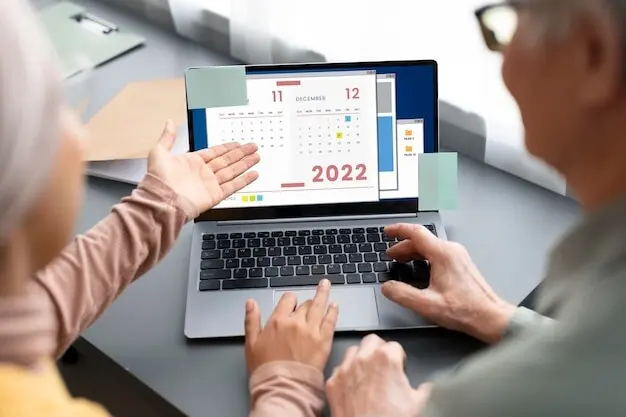
Small scripts reduce friction so good intentions survive busy weeks. Connect your wearable or health app to your calendar via integrations or workflow tools. Auto-create focus blocks when readiness crosses a threshold. Trigger Do Not Disturb during protected windows. Send a friendly nudge to refill water after high strain. Build travel-day templates that soften jet lag. These supportive automations free attention from logistics, reserving precious willpower for creative decisions. When routine guardrails run themselves, your system feels lighter, more humane, and reliably repeatable.
Use scripts that read morning metrics and place optimal blocks automatically, leaving placeholders that you can confirm or adjust. Integrate with task managers to pull one priority into each deep-focus slot. If readiness is low, auto-swap a difficult task for outlining or research. The calendar becomes a living partner that drafts a sensible day before you finish coffee. This removes setup friction, shortens indecision, and makes it far easier to defend the time you promised to your most important work.
Notifications should guide, not interrupt. Replace constant buzzes with quiet banners at natural breakpoints. Use color shifts or lock-screen summaries rather than sounds. Create a single midday digest summarizing strain, hydration, and steps. When a focus block starts, trigger a calming scene: desk lamp warms, music fades in, phone mutes. When it ends, play an energizing cue and stretch. Thoughtful nudges support momentum while preserving serenity, proving that gentle, well-timed signals can outperform loud, frequent interruptions that scatter attention and goodwill.

Explain the Rationale With Empathy

Rather than citing gadgets, describe benefits others feel: faster turnaround on deep work, fewer last-minute scrambles, and clearer expectations. Share that you’ll still respond promptly within collaboration windows and provide reliable updates. Invite feedback on what timing helps them, too. This framing shifts conversations from personal preference to shared efficiency and well-being. When partners see outcomes improve—crisper documents, calmer launches—they naturally support your approach. Empathy transforms boundaries from defensive walls into shared agreements that lighten everyone’s load while elevating the collective standard.

Defend Edges With Rituals

Boundaries fail without cues. Start focus blocks with a consistent ritual—close chat, set a timer, breathe, and open the single task. End with a specific shutdown: save, summarize, schedule next steps, and stretch. Use a visible token, like headphones or a door sign, so colleagues recognize the mode. Rituals make switching easier by teaching your brain what comes next. When edges are clear, people interrupt less, you ruminate less, and your calendar feels less like quicksand and more like a well-marked path you can trust.

Practice Graceful Recovery After Disruptions

Interruptions will happen. The skill is resetting quickly without self-criticism. Keep a restart checklist: reclaim the last sentence you wrote, restate the immediate objective, and take one anchoring breath. If a block shatters, salvage a shorter segment or move the task to your next compatible window. Share a quick note with stakeholders to reset expectations. Treat the day like a series of fresh starts, not a failed plan. This attitude preserves morale, making consistency possible across imperfect, beautifully human weeks.

Energy, Mood, and Friction Logs

A simple one-to-ten scale for energy and mood, recorded morning, midday, and evening, reveals repeatable patterns that numbers alone miss. Add a friction note: what made progress hard or easy? Tag blocks as deep, collaborative, or admin. Over a month, examine which combinations yielded your best decisions. These logs train your intuition about timing, letting you predict—and protect—the moments when your mind becomes playful, courageous, and precise. You’ll notice fewer slumps and a steadier sense of effort feeling worthwhile.

Weekly Reviews That Actually Change Things

Open your calendar and wearable dashboard together. Circle the two best blocks and one that fell apart. Ask why each result happened—sleep quality, hydration, meeting placement, unexpected stress. Choose a single improvement to test next week, like shifting one meeting hour or elongating a recovery walk. Capture a brief promise to yourself and schedule it. Reviews become powerful when they redirect time immediately, not someday. Modest course corrections compound into a schedule that feels increasingly custom-built for your real life.

Community, Accountability, and Small Wins

Share your experiments with a friend or team, trading screenshots of protected windows and celebrating follow-through. Host a monthly check-in to swap tactics that eased difficult days. Consider a light accountability channel focused on encouragement, not shaming. Invite readers to comment with their favorite recovery micro-habits or device setups; we’ll feature creative approaches in future updates. Social proof and playful competition make consistency sticky. When celebration is built-in, sustainable rhythm stops feeling like a grind and starts feeling like shared craft.
Faridarilaxi
Privacy Overview

This website uses cookies so that we can provide you with the best user experience possible. Cookie information is stored in your browser and performs functions such as recognising you when you return to our website and helping our team to understand which sections of the website you find most interesting and useful.