
Pause With Purpose: Harness Ultradian Rhythms to Stay Energized

Today we dive into implementing Ultradian Break Cycles to prevent burnout, translating neuroscience into practical rituals you can actually keep. You will map your natural 90–120 minute performance waves, schedule renewing pauses, and protect focus without guilt. Expect simple tools, relatable stories, and supportive prompts so your workday feels sustainable, creative, and deeply human again.

Why Your Brain Works Best in 90-Minute Waves

Your attention, memory, and motivation pulse in ultradian cycles, a basic rest–activity rhythm that alternates peaks and dips across the day. Aligning deep work with peaks and deliberate breaks with dips reduces decision fatigue, stabilizes stress chemistry, and rescues clarity. Understanding this pattern reframes pausing as fuel, not weakness, building steadier effort, fewer errors, and remarkably lighter evenings.

Designing Your Ultradian-Friendly Workday
Morning Deep Focus Block

Begin with hydration, light movement, and one clearly defined objective. Silence notifications, open only essential tabs, and timebox ninety minutes. Use a single-sheet checklist, not sprawling boards. The goal is traction, not theatrics—measurable progress on the one thing that matters before lunch.

Midday Recovery Patterns

Step outdoors if possible. Breathe slowly through your nose, walk without podcasts, and let your gaze relax on distant horizons. Eat protein-forward meals, hydrate generously, and stretch hips, chest, and jaw. This combination settles stress chemistry, steadies blood sugar, and resets attention beautifully for the afternoon.

Afternoon Creative Sprint

Reserve a later cycle for divergent tasks—brainstorming, sketching interfaces, crafting messaging, or outlining. Turn playful constraints into momentum: timed prompts, random associations, low-fidelity drafts. Closing with five reflective minutes locks learning and identifies the smallest next action, easing tomorrow’s ramp-up considerably.

Breaks That Actually Restore You

Not all intermissions refresh. Scrolling, inbox roulette, and venting keep adrenaline high. Choose practices that downshift your nervous system and invite novelty: breathwork, sunlight, stretching, music, micro‑naps, or friendly conversation. Minutes matter; repeated wisely, small resets accumulate into surprising stamina and gentler evenings at home.

01

Micro-Rest Toolkit

Try the physiological sigh—two inhales through the nose, long exhale through the mouth—eight times. Add box breathing, twenty slow calf raises, or a short laughter burst with a colleague. Face sunlight for five minutes. Each act nudges biochemistry toward calm, renewing clarity without stealing your day.

02

What to Avoid During Breaks

Skip alert-saturated activities that pretend to be rest: heated comment threads, fast-cut videos, and reactive email. They hijack dopamine and attention, sending you back depleted. Protect the boundary gently by silencing badges, using site blockers, and choosing one restorative practice before glancing at screens.

03

Two-Minute Reset When You’re Stuck

Stand up, roll your shoulders, and look far into the distance through a window. Perform ten slow squats while exhaling longer than inhaling. Jot the next smallest step on paper. This tiny ritual interrupts rumination and reboots momentum within remarkably little time.

Tracking Energy and Results Without Overwhelm

A lightweight system beats elaborate dashboards. Rate energy, focus, and mood after each cycle; note what you did during breaks. Watch for patterns across weeks instead of chasing perfection daily. Gentle curiosity reveals your best windows, helps trim draining habits, and builds confidence that consistency—not intensity—wins.

Team Culture That Normalizes Pausing

Set Visible Norms

Adopt 50‑minute meetings, publish quiet hours on calendars, and encourage status lines like on renewal break—back at :20. Equip spaces with plants, stretch bands, and sunlight. Ritualize walking one-on-ones. These micro-signals transform permission into practice, helping people protect focus without fearing they look disengaged.

Redesign Meetings

Adopt 50‑minute meetings, publish quiet hours on calendars, and encourage status lines like on renewal break—back at :20. Equip spaces with plants, stretch bands, and sunlight. Ritualize walking one-on-ones. These micro-signals transform permission into practice, helping people protect focus without fearing they look disengaged.

Handle Skepticism With Evidence

Adopt 50‑minute meetings, publish quiet hours on calendars, and encourage status lines like on renewal break—back at :20. Equip spaces with plants, stretch bands, and sunlight. Ritualize walking one-on-ones. These micro-signals transform permission into practice, helping people protect focus without fearing they look disengaged.

Stories From People Who Reclaimed Their Spark

Real change rarely begins with perfect systems; it starts with small experiments and honest reflections. Across different jobs and time zones, people report sleeping deeper, arguing less, and finishing earlier after adopting ultradian breaks. Let these snapshots inspire your own playful trials and share what you learn with us.

The Developer Who Stopped Shipping at 2 a.m.

After years of heroic all‑nighters, Alex tried ninety minutes on, fifteen off, with sunlight walks and a caffeine cutoff. Bug counts dropped, PR reviews sped up, and evenings belonged to guitars again. He calls breaks his ‘merge conflict fixer’ because clarity finally arrives before exhaustion does.

The Teacher Who Found Her Voice Again
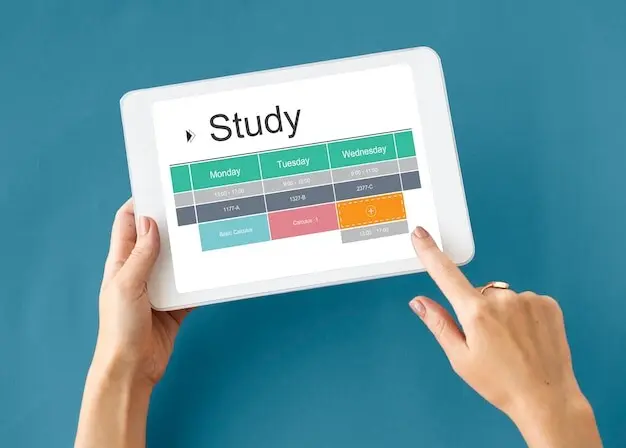
Maya began pausing between classes for breathing and stretching near a window. She noticed greater patience with tricky parents, more laughter with students, and less Sunday dread. Planning in ninety‑minute arcs turned grading into manageable sprints, freeing time for choir rehearsals she had missed for years.
Faridarilaxi
Privacy Overview

This website uses cookies so that we can provide you with the best user experience possible. Cookie information is stored in your browser and performs functions such as recognising you when you return to our website and helping our team to understand which sections of the website you find most interesting and useful.